
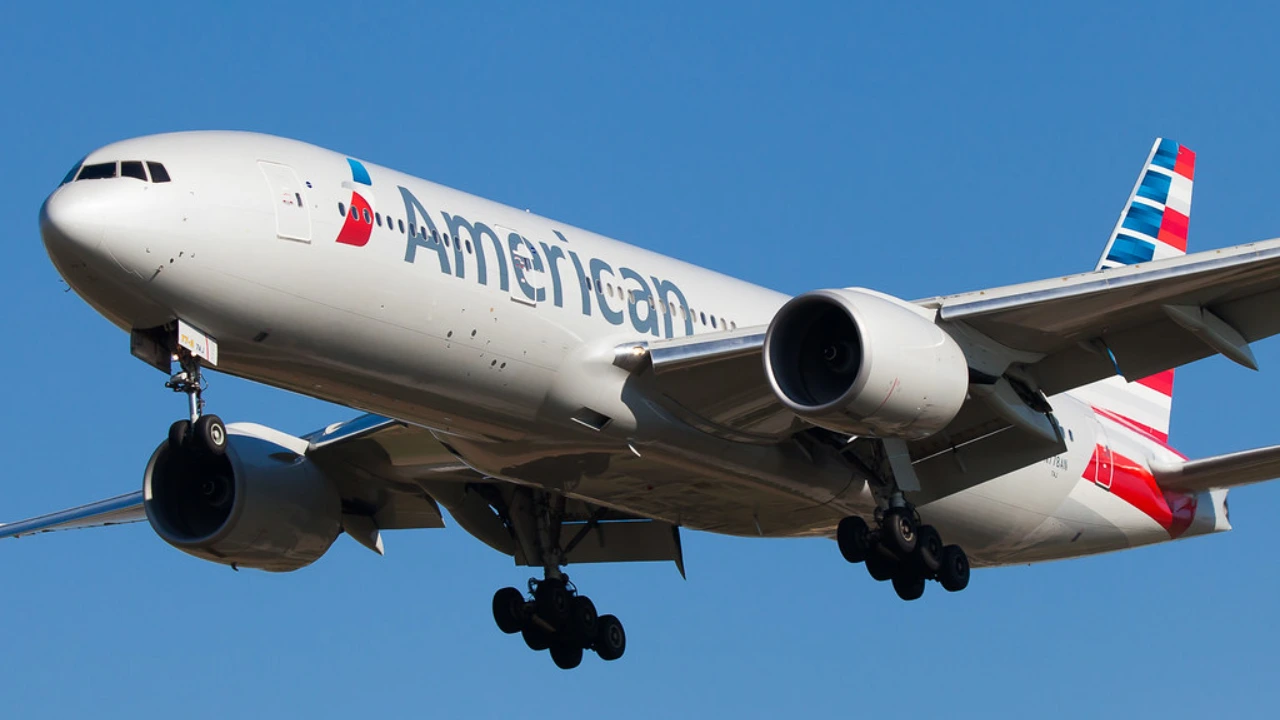
CHICAGO— United Airlines (UA) CEO Scott Kirby recently argued that the U.S. only has room for two premium carriers: Delta Air Lines (DL) and United Airlines (UA). He dismissed American Airlines (AA) as a challenger, suggesting its attempt to pivot to premium service is destined to fail.
But the situation isn’t that simple. American Airlines (AA) faces high operating costs and cannot compete as a low-cost provider. To survive, it must capture higher-yield passengers — and the so-called “premium moat” around Delta (DL) and United (UA) is not as secure as Kirby claims.
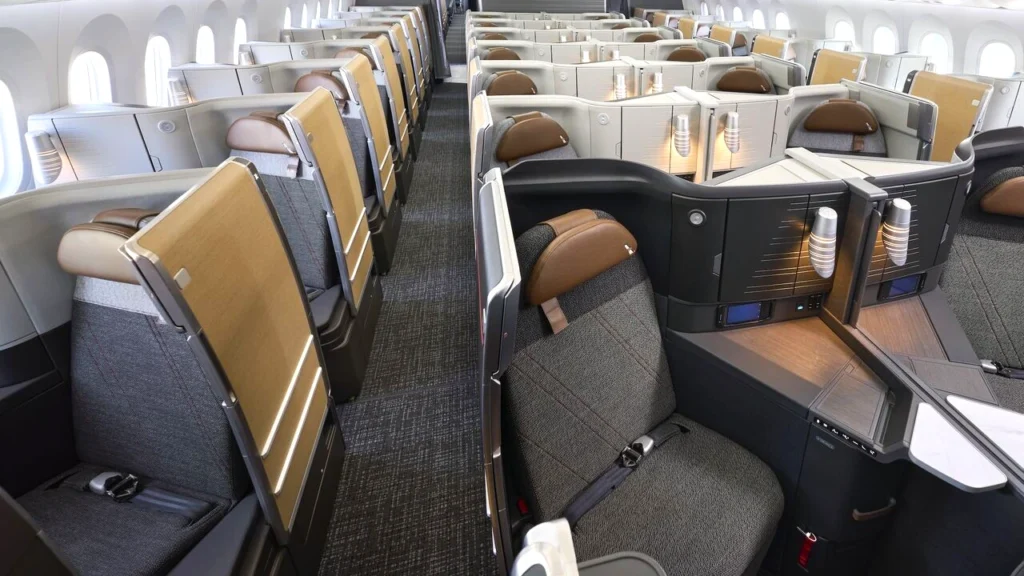
American Airlines Premium Gamble
The history of United (UA) proves that premium positioning is fluid. Under former CEO Jeff Smisek, the airline became notorious for downgrading service, cutting costs on catering, and hollowing out its long-haul product.
Yet, with renewed investment, United rebuilt its image. That transformation alone shows there’s no permanent barrier preventing American Airlines (AA) from making similar gains.
Delta (DL) has operational strength and generally friendlier staff, but its product is not untouchable. Its Boeing 767 business-class seats are outdated compared to competitors, and its cost-cutting measures — wooden cutlery, plastic cups, and low-tier amenity kits — undercut the premium narrative.
United (UA) continues to devalue its MileagePlus program, while Delta’s SkyMiles lacks a clear loyalty advantage. These are cracks in the so-called premium foundation, View from the Wing reported.
Barriers and Market Access
Slot restrictions at congested airports like New York (JFK/LGA/EWR) do create structural advantages for incumbents. However, protecting legacy carriers through government policy limits competition more than it protects consumers.
A more balanced system, such as congestion pricing, could open room for challengers, including American (AA).
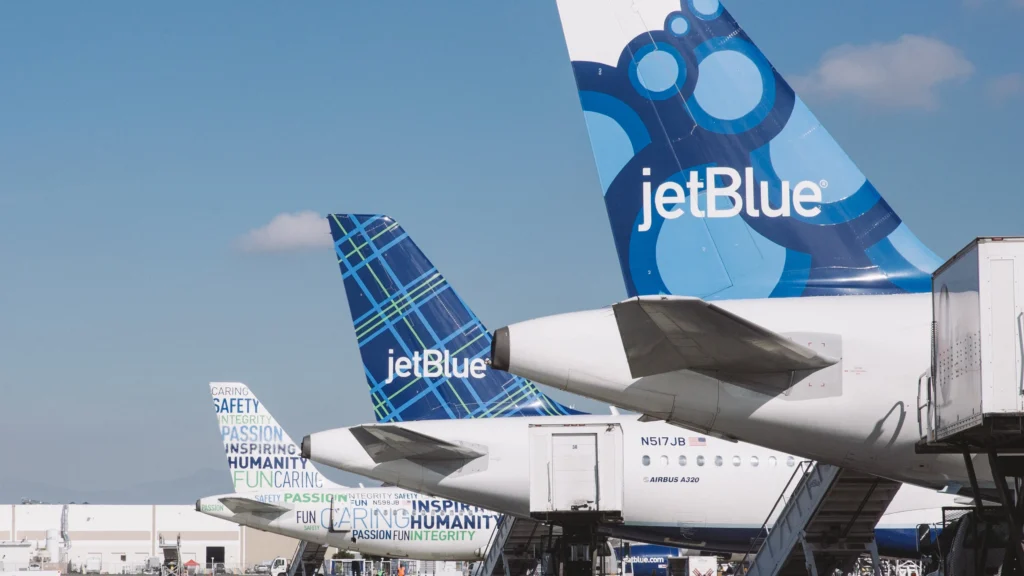
American’s alliance with JetBlue (B6) was an important step in countering Delta (DL) and United (UA) in the Northeast.
The Biden administration’s move to block that partnership weakened American’s positioning and inadvertently gave rivals a stronger hand. Still, American retains opportunities in markets where competition remains attractive.
Wine, Lounges, and the Small Details
Onboard and lounge products reveal just how thin the gap is between airlines marketing themselves as “premium.” Delta’s Sky Clubs have served bargain-basement wines like Jacob’s Creek Chardonnay, sometimes cheaper than $5 per bottle at retail.
Mis-catering excuses aside, consistently offering low-end beverages contradicts the image of a world-class carrier. Even Delta One lounges often charge extra for drinkable wines.
American’s wine program is currently weaker than its peers, but leapfrogging Delta in quality would require only modest upgrades.
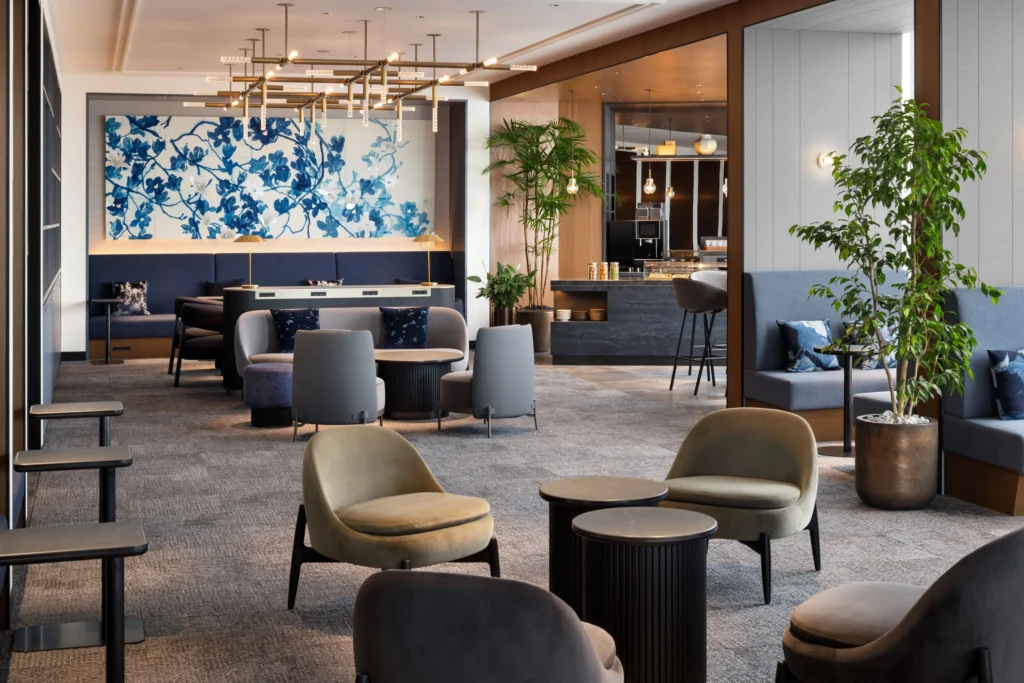
The airline’s Admirals Club lounge design also compares favorably with both rivals, though underinvestment in renovations and food holds it back. The fix is not invention, but commitment.
What American Airlines Must Do
Success in the premium space depends less on existing competitors and more on execution. For American (AA), that means:
- Refreshing cabins and lounges across the fleet and network.
- Investing in premium details such as business-class wines, upgraded coach buy-on-board meals, and quality amenity kits.
- Improving operations, from baggage handling to denied boarding statistics, not just on-time performance.
- Engaging employees, ensuring staff buy into delivering the experience customers expect.
Premium is not just about business class. Most passengers start in economy, and upsell products like extra-legroom seats remain underdeveloped at American (AA). Building a consistent brand in the back of the plane drives future willingness to pay for the front.
Culture and Commitment
The greatest obstacle to American’s (AA) premium ambitions is its internal culture. For years, leadership — many from US Airways and Northwest — prioritized cost-cutting over experience. This mindset trickled down to middle management and frontline employees, discouraging attention to detail.
Becoming a premium airline requires more than money. It takes consistent, top-down commitment to customer experience. Even small touches, like the once-celebrated boarding music, shape perception.
For American, the question is not whether the market has space for a third premium airline. The real test is whether it can change its culture to truly invest in being one.
Stay tuned with us. Further, follow us on social media for the latest updates.
Join us on Telegram Group for the Latest Aviation Updates. Subsequently, follow us on Google News
The post American Airlines’ Premium Gamble: Why United and Delta Don’t Own the Market appeared first on Aviation A2Z.