
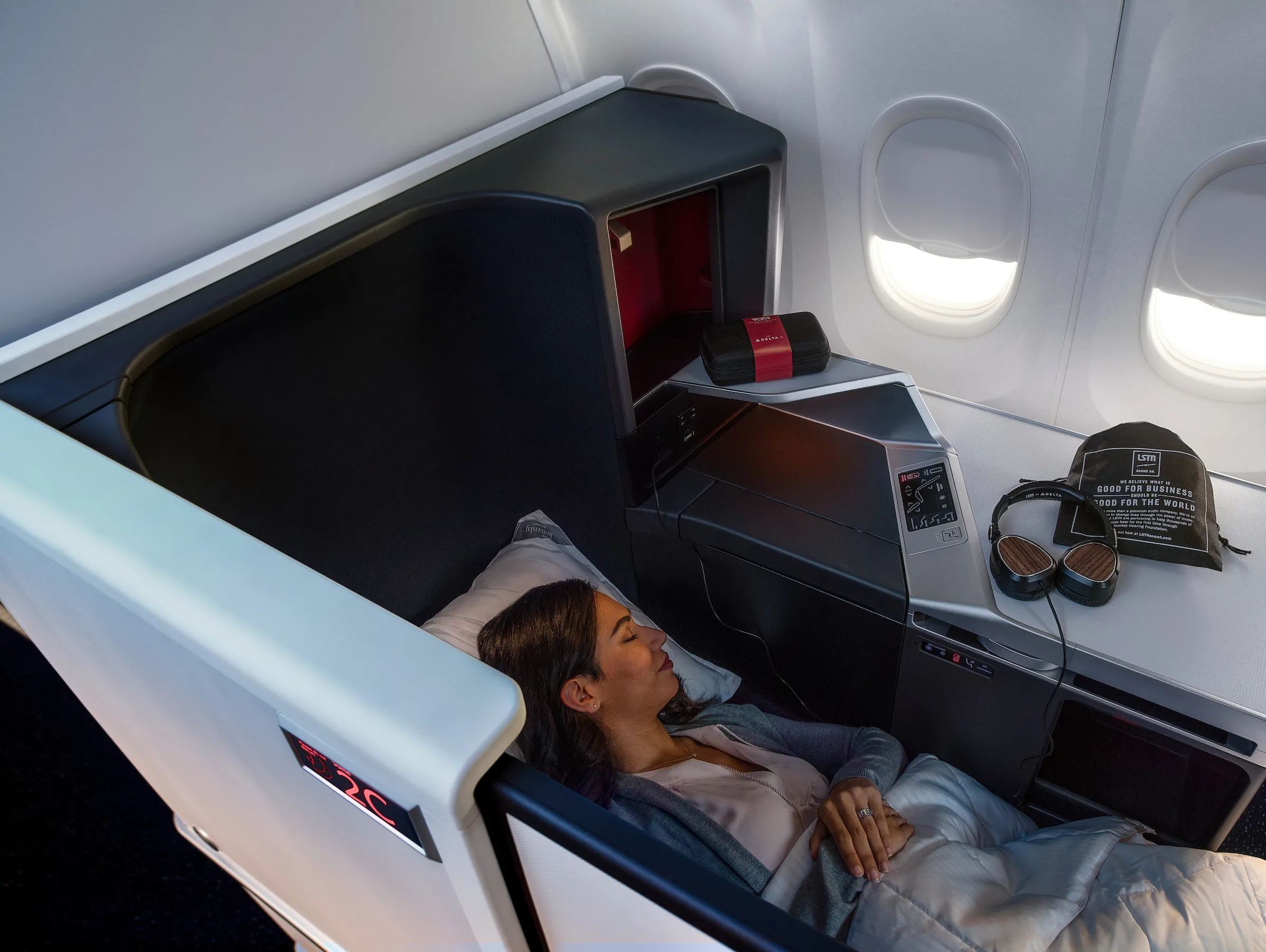
ATLANTA- Delta Air Lines (DL) is now offering first class upgrades for as little as $26 on select routes. Passengers flying out of major airports such as Atlanta (ATL) are reporting unprecedentedly low upgrade costs, showing how aggressively the airline is monetizing premium cabins.
This shift underscores Delta’s broader move away from complimentary status upgrades. American Airlines (AA) and United Airlines (UA) also sell discounted upgrades, but Delta is furthest along in replacing loyalty perks with revenue-driven offers.
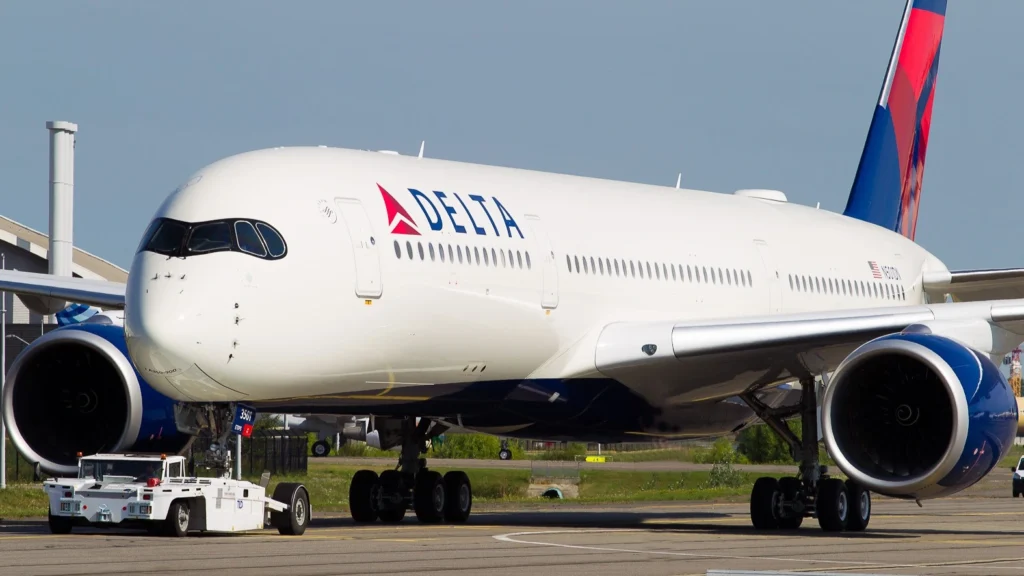
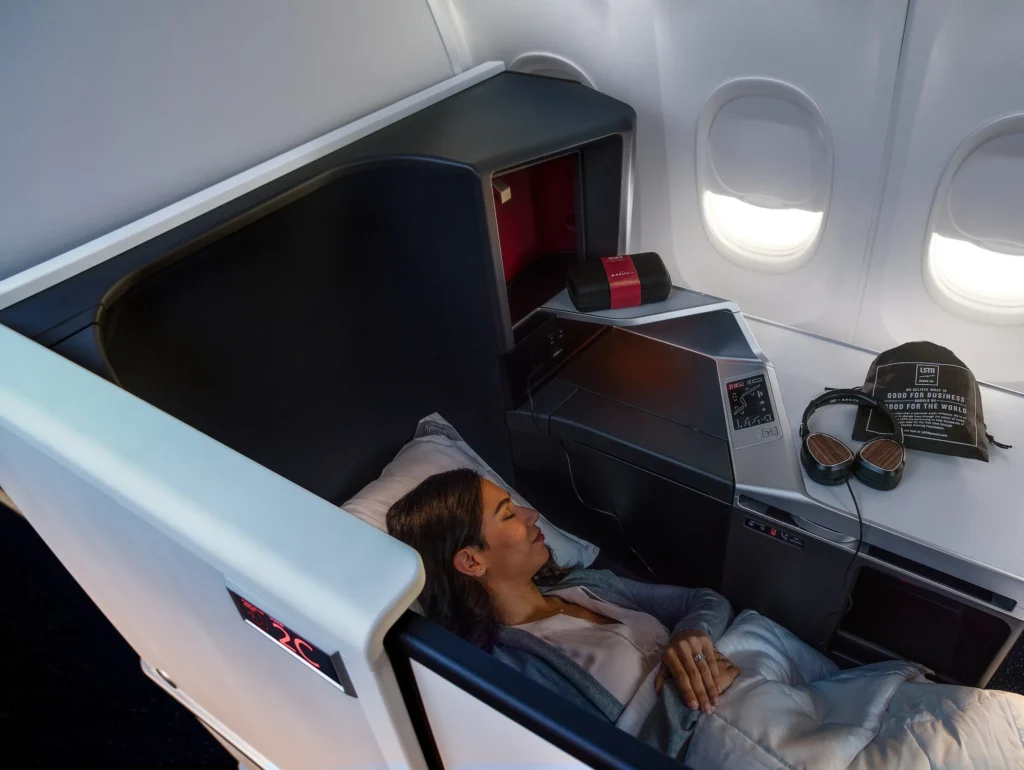
Delta Air Lines First Class Upgrade
Twenty years ago, about 90% of Delta’s first class seats were filled by status-based complimentary upgrades.
Today, only 13% are awarded this way, with the rest sold at prices ranging from tens of dollars to under $50.
Reported by View From the Wing, Delta’s strategy represents a decade long shift from rewarding elite travelers to monetizing every available seat.
United pioneered low cost domestic upgrades, while American adopted aggressive pricing later. Delta, however, has systematically reduced the role of free upgrades, reshaping the value of frequent flyer programs.
Why Low-Cost Upgrades Appeal to Travelers
The appeal of a $26–$37 first class upgrade goes beyond the seat itself. Even on short-haul flights, the add-on delivers more value than economy add-ons, which often cost nearly the same.
Key benefits include:
- Free checked bags that may cost more than the upgrade itself
- Priority boarding to secure overhead space before bins fill
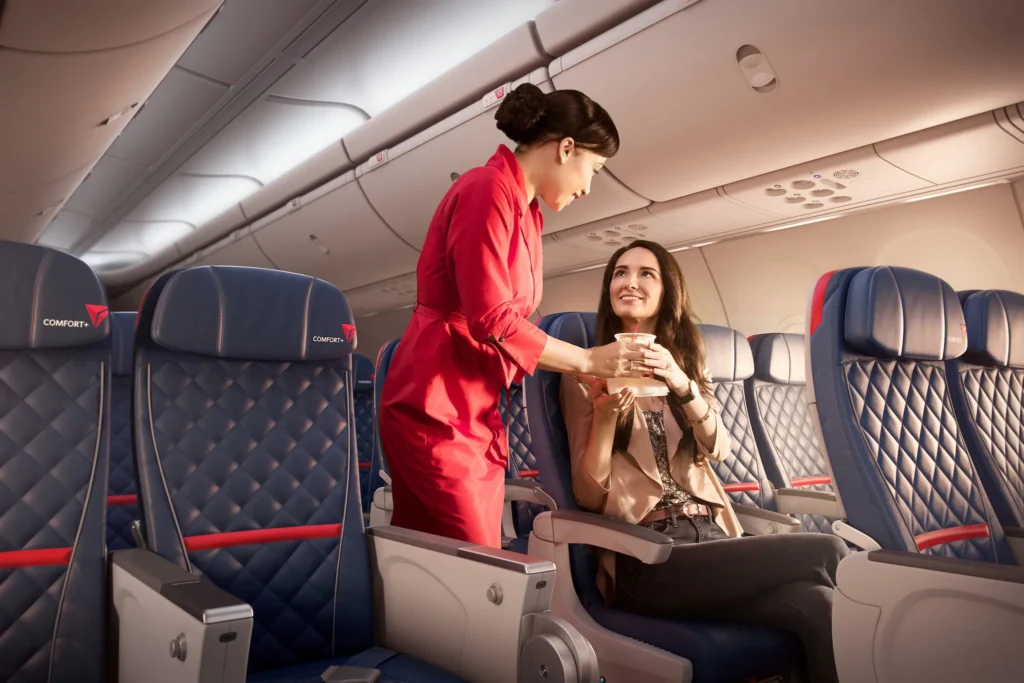
- Wider seats and more legroom compared to economy or extra legroom seating
- Complimentary cocktails and service usually unavailable in standard coach
For example, economy passengers might pay $20 for a standard seat assignment or $40 for extra legroom.
In comparison, Delta’s ultra-low first class upgrade pricing gives travelers both comfort and added perks for nearly the same price.
Impact on Frequent Flyer Loyalty
The shift undermines the traditional value of elite status. Passengers spending $20,000–$30,000 annually with Delta (DL) may no longer secure complimentary upgrades, while occasional travelers can buy into first class for minimal cost.
This erosion of status benefits has reshaped loyalty programs across US carriers. Today, elite status offers fewer tangible rewards, with early boarding, baggage, and upgrade perks all increasingly tied to direct purchase instead of loyalty.
Delta and other US carriers continue refining their “good, better, best” fare structures. Analysts expect airlines to further unbundle first class, potentially removing complimentary checked bags or other inclusions that were once standard.
The strategy also explains why first class catering has declined. When airlines collect only an extra $26–$40 in revenue per passenger, they are unlikely to spend more than a token amount on meals or amenities. Low upgrade premiums create little incentive for enhanced service.
Future Trends
The rise of AI-driven revenue management, basic economy fares, and dynamic seat pricing has fundamentally changed airline economics.
Selling every seat at any price produces more revenue than giving them away to loyal customers.
For Delta (DL), American (AA), and United (UA), this model represents the new normal. Elite status no longer guarantees premium travel; instead, upgrades are now a question of how little a traveler is willing to pay.
Stay tuned with us. Further, follow us on social media for the latest updates.
Join us on Telegram Group for the Latest Aviation Updates. Subsequently, follow us on Google News
The post Delta First Class Upgrades Drop to $26, Status Value Shrinks appeared first on Aviation A2Z.